Goat Science
Open access peer-reviewed volume
Edited by Sándor Kukovics
Széchenyi István University of Sciences
Goat science covers quite a wide range and varieties of topics, from genetics and breeding, via nutrition, production systems, reproduction, milk and meat production, animal health and parasitism, etc., up to the effects of goat products on human health. In this book, several parts of them are presented within 18 different chapters. Molecular genetics and genetic improvement of goats are the new approaches of goat development. Several factors affect the passage rate of digesta in goats, but for diet properties, goats are similar to other ruminants. Iodine deficiency in goats could be dangerous. Assisted reproduction techniques have similar importance in goats like in other ruminants. Milk and meat production traits of goats are almost equally important and have significant positive impacts on human health. Many factors affect the health of goats, heat stress being of increasing importance. Production systems could modify all of the above-mentioned characteristics of goats.
You can download each chapter at IntechOpen:
https://www.intechopen.com/books/goat-science.
****************************************************************
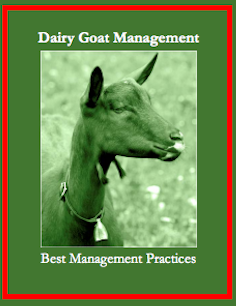
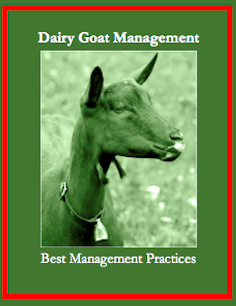
Compiled and written by Clara Hedrich, with assistance from Dr. Chris Duemler, DVM, and Dan Considine
This publication was made possible through a grant the the Emerging Agricultural Markets Team from the University of Wisconsin, with support from the Wisconsin Dairy Goat Association and the Wisconsin Department of Agriculture, Trade and Consumer Protection.
The main purpose of this “Best Practices Guide” is to provide some insight into the dairy goat industry.- This guide contains basic knowledge to help those who are considering a dairy goat operation make a sound decision as to whether or not this would be a viable business for them. Success in the industry is not guaranteed.
- A goat dairy farmer in this “Best Practices Guide” is defined as a farm milking at least 50 does and selling their milk to a milk plant. There are a few exceptions but most plants require a farm to be milking at least 50 does before they will consider picking up their milk due to the cost of transportation. A farmstead dairy is one in which the farm processes their own milk and sells their own product.
Best Management Practices for Dairy Goat Farmers
*******************************************************************************************************************
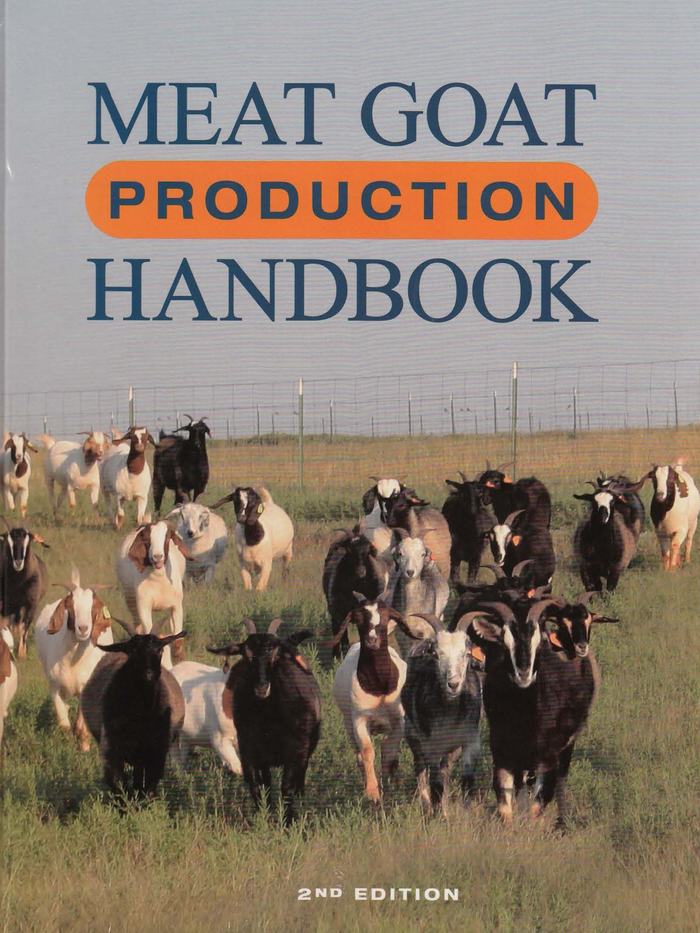
2nd Edition
Langston University
Meat Goat Production Handbook Order Form
***********************************************************************************************
Th
1st Edition
Langston University
Dairy Goat Production Handbook Order Form
************************************************************************************************
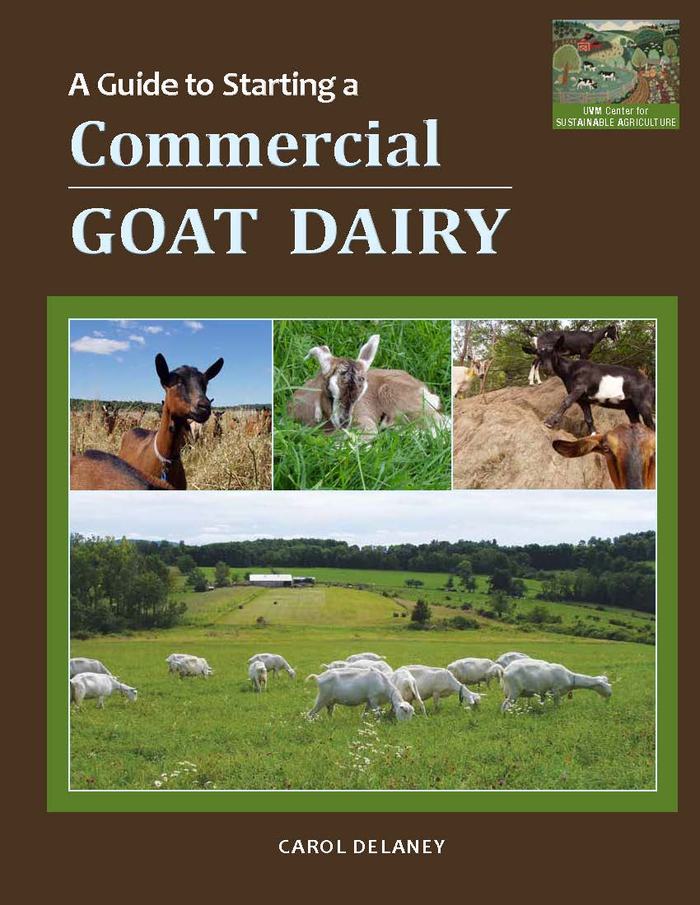
by Carol Delaney
A Guide to Starting a Commercial Goat Dairy
*************************************************************************************************
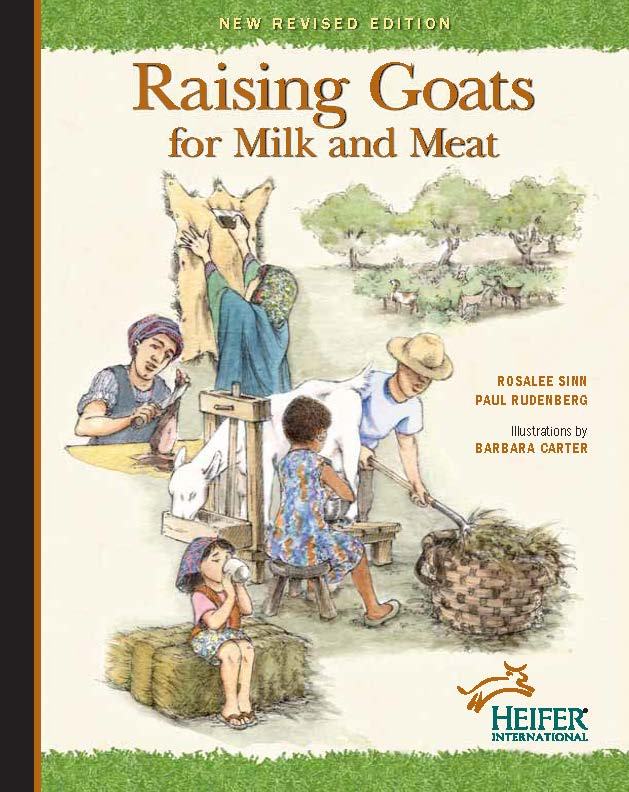
Heifer International is pleased to present Raising Goats for Milk and Meat. This introductory handbook provides an experience-based training model on the basic care and management of dairy and meat goats. Also available in Spanish, Crianza de Cabra para Leche y Carne.
Raising Goats for Milk and Meat